Advancing Player Retention Through Multi-Layered Incentive Designs in Mobile Reel Platforms
Written by Avery Weber · Nov 12, 2026
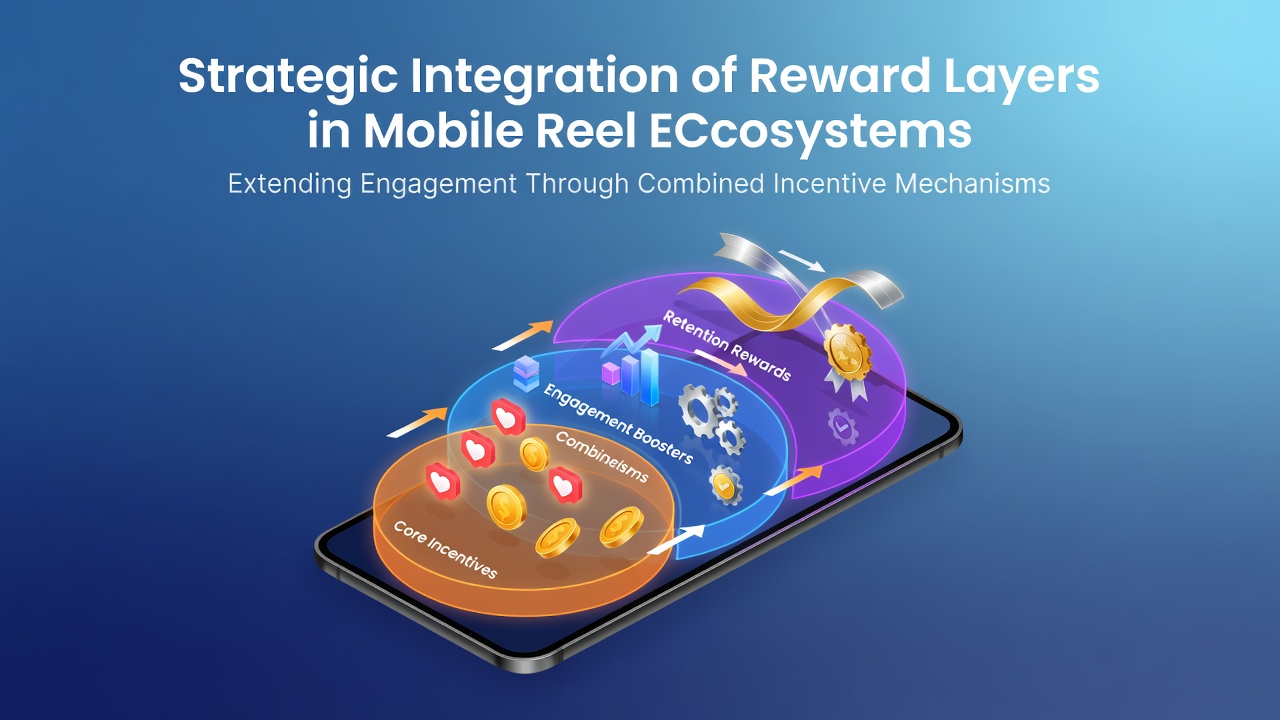
Advancing Player Retention Through Multi-Layered Incentive Designs in Mobile Reel Platforms
Developers in the mobile reel sector have turned to integrated reward architectures that combine short-term triggers with extended progression systems, and this approach creates sustained interaction patterns across diverse user bases. Research from the Entertainment Software Association shows that platforms employing such combined mechanisms report higher average session durations, while data collected through November 2026 indicates continued adoption in markets outside traditional regulatory frameworks. Observers note that these systems blend instant feedback loops with cumulative achievement structures, and the result appears in metrics that track repeat visits and feature utilization rates.
Core Components of Layered Reward Integration
Single-layer incentives often include time-limited spins or entry bonuses, yet effective designs extend beyond isolated elements by connecting them to broader frameworks such as loyalty tiers and social challenges. Studies conducted by university research teams reveal that users engage more consistently when immediate rewards feed into longer-term status advancements, and this linkage reduces early drop-off rates according to aggregated platform analytics. Those who have examined mobile reel ecosystems point out that variable reward schedules, drawn from established behavioral models, gain additional potency when paired with personalized milestone tracking.
Implementation typically involves three distinct strata: base engagement prompts that activate during active sessions, mid-tier collections that accumulate across multiple days, and elite pathways that unlock specialized content or community features. Figures from industry reports compiled in late 2026 demonstrate that platforms utilizing all three layers simultaneously experience measurable lifts in daily active users compared to those relying on isolated tactics. The connections between these strata matter because they transform isolated actions into sequences that maintain momentum over extended periods.
Technical Approaches to Combining Mechanisms
Backend systems manage these integrations through modular event handlers that synchronize real-time notifications with persistent user profiles, and developers frequently employ event-driven architectures to ensure seamless transitions between reward types. Data indicates that synchronization failures lead to measurable declines in completion rates, whereas robust implementations maintain continuity even during network interruptions. Observers have documented cases where cross-layer triggers, such as converting daily login rewards into progression currency, produce compounding effects that extend play windows beyond initial expectations.
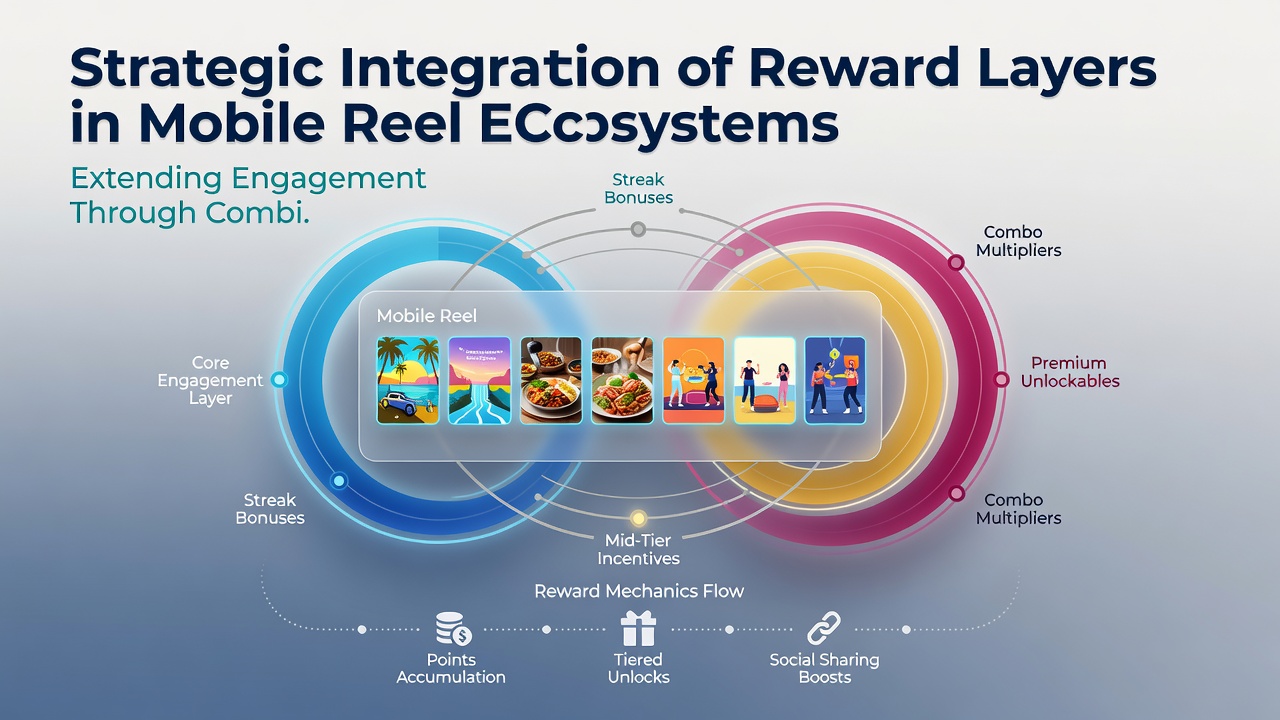
Case examples from development teams illustrate how social referral elements integrate with personal progression tracks, and the combined structure encourages both individual retention and network expansion. Reports from the Australian Interactive Games Association highlight similar patterns in regional deployments, where layered designs correlate with elevated retention curves over six-month observation windows. Those studying these ecosystems emphasize the importance of balancing visibility of rewards so that users recognize pathways without experiencing overload from excessive notifications.
Measurement and Optimization Practices
Analytics platforms track layer-specific contribution through segmented cohort analysis, and this method allows identification of which combinations drive the strongest outcomes in different demographic segments. Evidence from multiple deployments shows that iterative testing of trigger frequencies yields refinements that improve overall system efficiency, while A/B comparisons conducted through November 2026 continue to refine these parameters. Researchers discovered that timing adjustments between layers, particularly spacing between immediate and cumulative rewards, produce distinct behavioral shifts that platform operators monitor through retention heatmaps.
Geographic variations appear in adoption rates, with certain regions favoring community-oriented layers and others prioritizing solitary achievement tracks. Reports issued by Canadian gaming authorities outside the UK framework document these differences, and the data supports targeted localization of combined incentive sets rather than uniform global rollouts. Observers note that successful adaptations maintain core structural logic while adjusting presentation and pacing to align with regional usage habits.
Conclusion
Strategic integration of reward layers continues to evolve as mobile reel platforms refine their approaches to sustained engagement. Evidence gathered through late 2026 confirms that carefully connected incentive mechanisms deliver measurable improvements in user metrics across varied implementations. Developers and analysts alike examine these patterns to guide future iterations that align technical delivery with observed behavioral responses.